How Insurance May Help Cover Periodontal Treatment
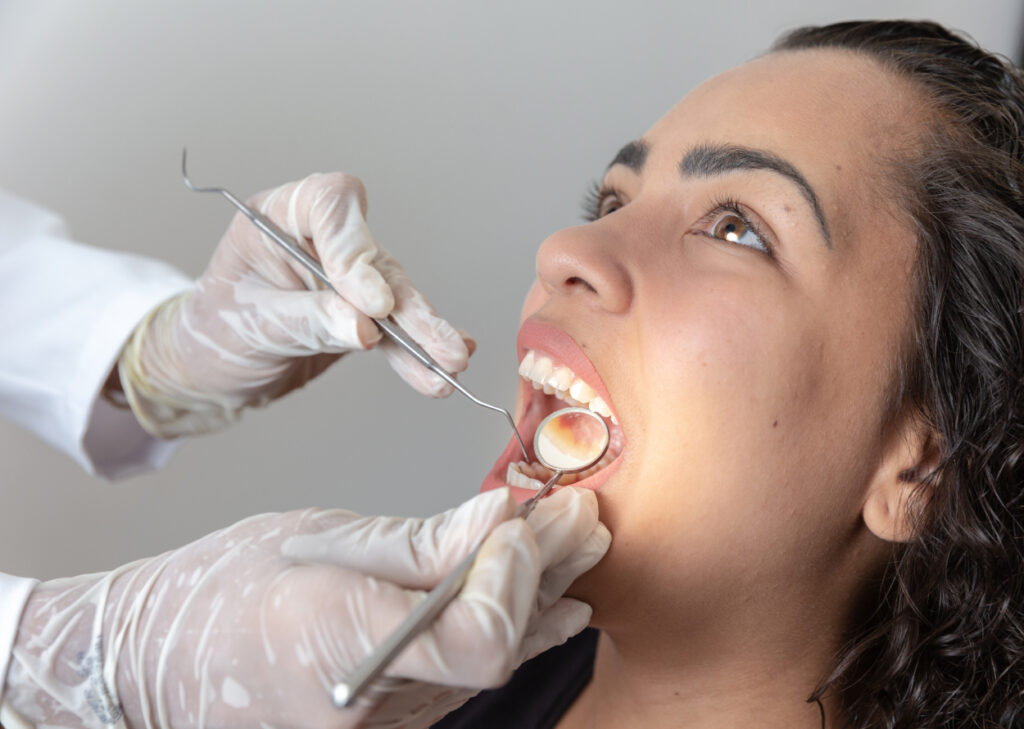
Gum disease rarely announces itself with drama. More often, it creeps in quietly, a little bleeding when you brush, tenderness near one molar, a deeper pocket your hygienist measures and mentions almost in passing. By the time many patients hear the term periodontal treatment, they are already trying to process two things at once: what the diagnosis means for their health, and what it is likely to cost.
That second question is not superficial. Periodontal care can involve several visits, more than one type of procedure, and ongoing maintenance long after the first round of treatment ends. Insurance may help, sometimes substantially, but the details are rarely straightforward. Coverage often depends on how the treatment is coded, whether the plan distinguishes between preventive and restorative care, what the annual maximum is, and whether the patient has already used part of that maximum elsewhere in the year.
Understanding how dental insurance tends to work with periodontal treatment can make the difference between feeling blindsided and making a plan. It can also help patients ask better questions before treatment begins, when there is still room to sequence care, verify benefits, and reduce unpleasant surprises.
Why periodontal care often falls into a gray area financially
Most people think of dental insurance in familiar categories. Cleanings, exams, and X-rays are usually easy to understand. Fillings and crowns feel more expensive but still recognizable. Periodontal treatment sits in a different space. It is clinically necessary, often urgent, and closely tied to long-term oral health, yet insurance plans may not treat every phase of it in the same way.
A routine prophylaxis, for example, is typically covered as preventive care. Once a patient develops active gum disease, the cleaning is no longer considered routine. The care may shift to scaling and root planing, localized antimicrobial therapy, periodontal maintenance, or surgical procedures such as flap surgery or grafting. Those services may be covered at different percentages, and some may require documentation that the disease has advanced beyond mild gingivitis.
This is where many patients become confused. They may assume that because they “already get cleanings covered,” a deeper cleaning should fall into the same bucket. Insurers usually see it differently. In their view, preventive care is meant to help avoid disease. Periodontal treatment addresses established disease, which often means a lower coverage percentage and more out-of-pocket expense.
From a clinical standpoint, that distinction makes sense. From a patient’s standpoint, it can feel arbitrary, especially if the symptoms seemed minor. I have seen people genuinely surprised to learn that four quadrants of scaling and root planing could be covered very differently from the twice-yearly cleaning they are used to.
What counts as periodontal treatment
The term Periodontal Treatment covers a broad range of services. Insurance companies generally do not cover the concept as a whole. They evaluate each procedure code individually.
Common examples include:
- scaling and root planing for deeper pockets and subgingival calculus
- periodontal maintenance after active therapy
- localized antibiotic placement in gum pockets
- gingival flap surgery or osseous surgery in more advanced cases
- soft tissue grafts and other procedures to manage recession or support function
That range matters because two patients can both be told they need periodontal care and still face very different benefit outcomes. One may need non-surgical therapy and maintenance, while another may need grafting or surgery that the plan only covers in part, or not at all.
Even within the same plan, treatment that is medically sensible may not be categorized generously. A graft to improve function and reduce root sensitivity may be reviewed differently from a graft the insurer views as primarily cosmetic, even if the clinical reality is more nuanced.
The first layer of help, diagnostic and preventive services
Insurance support for periodontal concerns often starts before treatment itself. Diagnostic services such as comprehensive exams, periodontal charting, and radiographs are commonly covered at a relatively high level, particularly if they are standard components of evaluation. Those benefits can reduce the cost of getting a clear diagnosis, which is important because gum disease should not be treated on guesswork.
Preventive services may also continue to play a role, but only up to a point. If a patient has gingivitis without attachment loss or deeper periodontal pockets, a plan may still classify care under preventive or basic services, depending on the procedure. Once periodontitis is diagnosed, however, coverage usually shifts into the basic or major category, and the patient’s share often rises.
This distinction becomes important when timing treatment. If someone has already had two standard cleanings that year and then is diagnosed with active periodontal disease, the insurer may not simply “swap” one benefit for another. A periodontal maintenance visit later in the year may not be covered if frequency limitations have already been met, or it may be covered under a different rule entirely. The specifics vary, but the principle is consistent: plans tend to enforce categories and frequencies quite strictly.
Scaling and root planing, where insurance most often contributes
For many adults, scaling and root planing is the entry point into active periodontal treatment. It is often described as a deep cleaning, though that phrase can obscure how different it is from a routine prophylaxis. The goal is to remove tartar and bacterial toxins below the gumline and smooth root surfaces so the tissue can heal.
Insurance frequently helps with this procedure, but not always at the same percentage patients expect. In many plans, scaling and root planing is covered as a basic service, sometimes around 50 percent to 80 percent after any deductible. Those numbers vary widely, and annual maximums can cap what the insurer actually pays.
A patient might hear that their plan covers basic services at 80 percent and assume the out-of-pocket amount will be modest. Then the estimate arrives and looks higher than expected. Usually one of three things is happening. First, the deductible has not been met. Second, the allowed fee under the insurance contract is lower than the practice’s standard fee, so the estimate is built around the contracted amount, not the full sticker price. Third, several quadrants are being treated, which multiplies even a relatively small patient share.
There is also the issue of medical necessity documentation. Insurers may expect charting that shows pocket depths, bleeding, bone loss, or other findings that justify treatment. If documentation is thin, reimbursement can be delayed or denied. Good offices know this and submit supporting information up front. Patients are better served when they ask whether a pre-treatment estimate or preauthorization is advisable, especially if the proposed care is extensive.
Periodontal maintenance is covered differently from regular cleanings
One of the biggest insurance misunderstandings involves maintenance after active treatment. Once a patient completes scaling and root planing or periodontal surgery, the office may recommend periodontal maintenance every three or four months. That recommendation is not a sales tactic. It reflects the biology of gum disease. Patients with a history of periodontitis generally need closer monitoring and more frequent professional care than those with healthy gums.
Insurance, however, may not cover all of those visits fully, or at all. Some plans will pay for periodontal maintenance two to four times per year. Others count it against the same frequency limitation as regular cleanings. Some cover maintenance only after documented active therapy. If the insurer does not see a completed claim for scaling and root planing or surgery first, a https://louiswlul453.northvaledigest.com/posts/periodontal-treatment-for-loose-teeth-is-it-possible-to-stabilize-them maintenance claim may be rejected as unsupported.
This matters because the maintenance phase is where long-term success is often won or lost. I have seen patients budget carefully for the initial deep cleaning, then skip the follow-up maintenance when they discover the benefit is limited. Six or twelve months later, the inflammation returns, pocket depths worsen, and they are back in treatment. Insurance may have helped at the front end, but the gap in ongoing support ends up costing more.
Surgical periodontal procedures and the limits of dental plans
When non-surgical therapy is not enough, a periodontist may recommend surgery. That can include flap procedures to access deeper deposits, osseous surgery to reshape bone affected by periodontal disease, or grafting to address gum recession or improve stability.
Dental insurance may help with these services, but this is where plan limits become more visible. Surgical procedures are often covered as major services, sometimes around 50 percent, though the actual share can differ. The bigger issue is the annual maximum. Many dental plans still carry annual maximums that have not kept pace with modern treatment costs. A patient might have a $1,000 to $2,000 annual maximum, which can be used up quickly once surgery, imaging, and maintenance are factored in.
There may also be waiting periods, especially on newly purchased plans. Someone who signs up for dental coverage after symptoms appear may discover that major periodontal services are not covered for six or twelve months. Employer-sponsored plans can be different, but waiting periods remain common in many individual policies.
Frequency limitations can also complicate matters. A graft on the same site may only be covered once within a certain number of years, or only when very specific criteria are met. Insurers sometimes request narratives, photographs, charting, or radiographs before approving payment. None of this means coverage is impossible. It means that surgical periodontal treatment tends to involve more administrative friction than patients expect.
Medical insurance and periodontal treatment, usually limited but occasionally relevant
Most periodontal care runs through dental insurance, not medical insurance. That said, there are exceptions. If treatment is connected to a broader medical condition, trauma, hospital-based care, or reconstructive needs, medical insurance may play a role. Those cases are less common, but they are real.
For example, if oral surgery is performed in a hospital because of a complex medical status, some facility-related costs may fall under medical coverage. If a procedure is part of treatment following facial trauma or cancer-related reconstruction, the medical side may be more significant. Inflammatory links between periodontal disease and systemic health do not automatically create medical coverage, though patients often assume they should.
This is an area where clear advice from the dental office matters. Most routine periodontal therapy, including scaling and root planing, maintenance, and many surgeries, should be approached as dental benefits first. If there is any possibility of medical involvement, the office can often tell from the diagnosis, treatment setting, or referral pattern.
Preauthorization is not glamorous, but it can save real stress
A preauthorization, or pre-treatment estimate, is one of the most practical tools available before periodontal treatment begins. It is not a guarantee of payment in every case, but it gives the insurer a chance to review the proposed procedure and the supporting documentation before the work is done.
For moderate to extensive care, that step can be worth the extra time. It helps answer basic questions. Is scaling and root planing covered in all affected quadrants? Does the plan require evidence of pocket depths? Is grafting considered a covered service at this site? Has the patient already reached the annual maximum?
Patients sometimes avoid preauthorization because they want to start treatment immediately, which is understandable. If the disease is advanced or discomfort is significant, delay is not ideal. But in many cases, waiting a short period to clarify benefits prevents larger frustration later. A well-run office usually balances both priorities, moving promptly when care should not be postponed while still checking benefits carefully.
The practical questions worth asking before you schedule
Insurance language can be opaque, and front-desk conversations often move quickly. Patients get better answers when they ask direct, specific questions.
- Is this procedure being billed as preventive, basic, or major care?
- What is my deductible, and has any of it already been met?
- How much of my annual maximum remains this year?
- Will you send a pre-treatment estimate with charting and X-rays?
- Is the follow-up periodontal maintenance covered separately from regular cleanings?
These questions sound simple, but they reveal most of what affects cost. They also help uncover situations where treatment might reasonably be phased across benefit years. If a patient needs non-urgent surgery late in the calendar year and has nearly exhausted the annual maximum, it may be financially smarter to complete the most pressing therapy now and schedule the rest after benefits reset, assuming the clinical situation allows it.
That caveat matters. Insurance timing should never override disease control when prompt care is needed. Still, there is often room for practical sequencing, and experienced offices do this thoughtfully.
Why estimates and final bills do not always match
Even when everyone acts in good faith, the final insurance payment can differ from the estimate. Patients tend to interpret that as an error or bait-and-switch, but there are several ordinary reasons it happens.
The insurer may downgrade a service, apply a waiting period the patient did not realize existed, or decide that frequency limits were exceeded. Coordination of benefits can also complicate claims for people with dual coverage. If a patient has changed jobs, switched plans, or is covered under a spouse’s policy as well, the order in which claims process can affect the final amount owed.
Another issue is that a benefit quote from the insurer is not always a guarantee. Offices typically tell patients this, though the disclaimer can sound formulaic until it becomes relevant. The estimate reflects the information available before processing. Once the claim is adjudicated, the insurer’s final determination controls payment.
That is frustrating, but it is also why detailed documentation matters so much in periodontal treatment. Thorough charting and radiographs do not just support clinical decisions. They support the claim.
When out-of-pocket costs are still high
Insurance may help, but it often does not erase the expense of periodontal care. Patients should be prepared for that possibility. The good news is that high out-of-pocket cost does not always mean there are no options.
Many practices offer phased treatment, financing arrangements, or payment plans, particularly for larger surgical cases. Health savings accounts and flexible spending accounts can also help by allowing patients to use pre-tax dollars for eligible dental expenses. In some situations, a referral to an in-network periodontist rather than an out-of-network specialist can lower costs materially, although network participation is not the only factor worth considering.
There is also a clinical trade-off that deserves honesty. Delaying necessary periodontal treatment to save money today can create much larger expenses later. Untreated disease can lead to mobility, bone loss, abscesses, tooth loss, and the need for more involved restorative work. A patient who postpones several hundred or several thousand dollars in periodontal care can eventually face many times that amount in extractions, implants, bridges, or dentures.
That is not fear-based messaging. It is the financial pattern clinicians see repeatedly. Gum disease is often cheaper to control than to reverse after it progresses.
The role of documentation, and why thorough records matter
From the patient side, paperwork can feel excessive. Pocket depths recorded tooth by tooth, bleeding points, recession measurements, full-mouth X-rays, narratives describing inflammation and bone loss, photographs of recession sites, all of it may seem like bureaucracy layered on top of treatment.
Yet these records are central to both care and coverage. Periodontal disease is measured, not guessed. The same charting that tells a clinician whether disease is localized or generalized also tells an insurer whether scaling and root planing is justified, whether maintenance follows active treatment appropriately, and whether surgery meets plan criteria.
Experienced periodontal offices tend to be meticulous because they know vague documentation invites denials. Patients benefit from that diligence even when they never see the claims process itself.
If your claim is denied, the story may not be over
A denial is discouraging, but it is not always the final answer. Some denials reflect missing information rather than a firm exclusion. A resubmission with updated charting, radiographs, or a clinical narrative can change the outcome. In other cases, the denial is based on a genuine plan limitation, such as an exhausted annual maximum or a waiting period, and no appeal is likely to succeed.
The key is to distinguish between administrative denials and contractual denials. If the insurer says the submitted evidence did not establish medical necessity, more documentation may help. If the plan says the service is excluded, then the issue is the policy itself.
Patients should not hesitate to ask the office what kind of denial occurred. That one question often clarifies whether an appeal is realistic. A good billing coordinator can usually tell whether the claim needs more support or whether the benefit simply is not there.
Seeing insurance as one part of the plan, not the plan itself
Insurance can make periodontal treatment more manageable. It can cover diagnostic visits, contribute meaningfully to scaling and root planing, support maintenance in many cases, and reduce the burden of certain surgical procedures. It can also fall short because of annual maximums, waiting periods, coverage percentages, and strict frequency rules.
The healthiest mindset is to treat insurance as financial assistance rather than as the definition of necessary care. Periodontal disease does not pause for benefit-year calendars, and gum tissue does not heal according to plan categories. When patients understand that distinction, they tend to make steadier decisions. They ask sharper questions, they verify benefits before treatment, and they weigh short-term cost against long-term oral health with clearer eyes.
For anyone facing a recommendation for Periodontal Treatment, the practical next step is simple: get the diagnosis explained in plain language, ask the office to verify benefits carefully, and request a written estimate tied to the proposed procedures. Once the numbers are visible, the path usually becomes easier to navigate. Insurance may not cover everything, but in many cases it can cover enough to turn a stressful unknown into a workable treatment plan.
Avra Dental
Address: 1708 S Victoria Ave B, Ventura, CA 93003
Phone number: (805) 941-1001
FAQ About Periodontal Treatment
Can a dentist get rid of periodontal disease?
A dentist or gum specialist (periodontist) cannot fully cure or reverse advanced periodontal disease (periodontitis), but they can successfully stop its progression and manage the infection.
Is periodontitis very serious?
Yes, periodontitis is a very serious, advanced form of gum disease that destroys the bone and tissues supporting your teeth.
How is stage 2 periodontal disease treated?
Stage 2 periodontal disease (early to moderate periodontitis) is primarily treated with non-surgical deep cleaning procedures like scaling and root planing to remove bacteria and tartar below the gumline.