Periodontal Treatment in Ventura for Sensitive and Bleeding Gums

Sensitive, bleeding gums are easy to dismiss at first. A little pink in the sink after brushing, tenderness near one molar, a sharp twinge when drinking cold water, many people chalk these up to brushing too hard or skipping floss for a few days. Sometimes that is all it is. Often, though, those early signs point to inflammation below the gumline, where the problem is quieter, deeper, and more serious than it looks.
That is where periodontal care becomes important. Periodontal disease does not usually begin with dramatic pain. It tends to start slowly, with mild bleeding, puffiness, bad breath that seems to linger, or gums that no longer feel firm. Left alone, it can progress from reversible gingivitis to periodontitis, where infection and inflammation begin damaging the tissues and bone that support the teeth. By the time a patient notices looseness or gum recession, the condition has often been active for quite a while.
For people searching for Periodontal Treatment Ventura, the goal is not simply to stop the bleeding for a week or polish away surface stain. The goal is to diagnose the cause, calm the infection, protect the supporting structures of the mouth, and create a maintenance plan that keeps the gums stable over time. Good periodontal treatment is part clinical science, part habit coaching, and part long-term monitoring. It is rarely one appointment and done.
What sensitive and bleeding gums usually mean
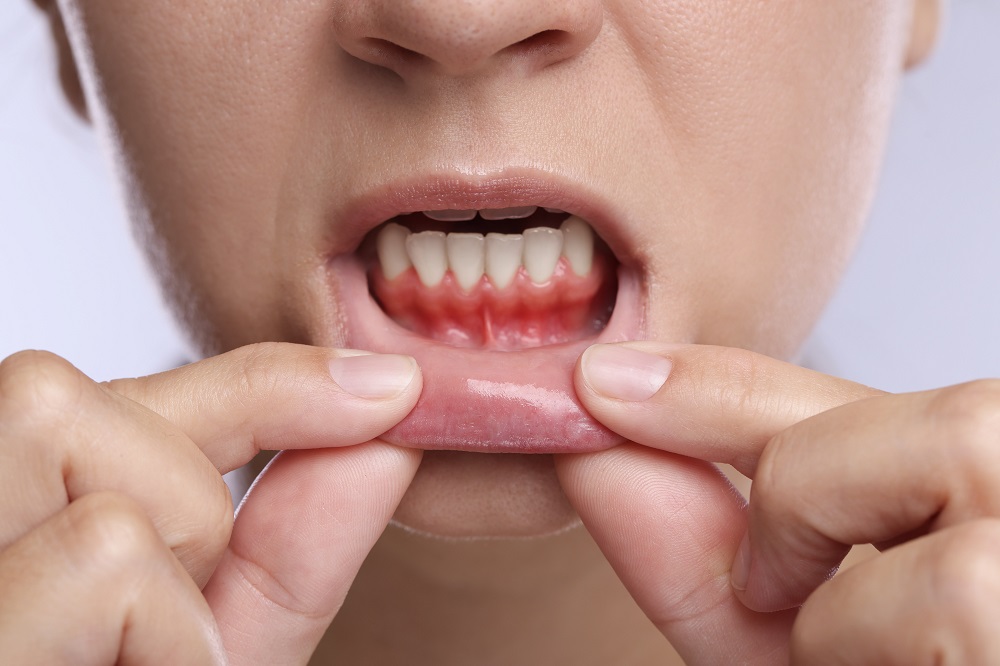
Healthy gums do not bleed regularly when you brush or floss. They also do not stay sore for no clear reason. When the gums are inflamed, the blood vessels in the tissue become more reactive. Even light contact can trigger bleeding. Sensitivity can happen because inflamed gum tissue pulls away slightly from the tooth, exposing root surfaces that are not protected by enamel. Those root surfaces respond quickly to cold, sweets, and touch.
There is a difference between occasional irritation and a pattern worth investigating. If someone has a popcorn husk stuck in the gums, for example, that may cause soreness in one spot for a day or two. If the whole gumline bleeds several times a week, or the gums look swollen and feel tender in multiple areas, that suggests a broader issue with plaque buildup, tartar deposits, bacterial infection, or an underlying medical factor.
Pregnancy, diabetes, certain medications, tobacco use, chronic dry mouth, and even mouth breathing can all make gum tissue more vulnerable. I have seen patients who were meticulous brushers but had significant gum inflammation because they were taking medications that reduced saliva. I have also seen patients with very little discomfort who turned out to have moderate periodontal pockets. Comfort level alone is not a reliable measure of gum health.
The difference between gingivitis and periodontitis
This distinction matters because the treatment approach changes depending on the stage of disease. Gingivitis is inflammation confined to the gum tissue. The gums may look redder than usual, bleed easily, and feel puffy, but the bone and deeper attachment around the teeth have not yet been permanently damaged. With professional cleaning and improved home care, gingivitis is usually reversible.
Periodontitis is different. In periodontitis, the inflammation extends deeper, and the body begins losing attachment around the teeth. Pockets form between the gum and tooth, bacteria thrive in those spaces, and the supporting bone can gradually resorb. The gums may recede, the teeth may appear longer, and in more advanced cases, mobility can develop. That damage cannot simply be brushed away at home.
One of the practical challenges is that many people do not realize when the disease has crossed from gingivitis into periodontitis. They may still chew comfortably and have no major pain. That is why probing measurements and radiographs matter. A proper periodontal exam does more than glance at the gums. It evaluates pocket depth, bleeding points, gum recession, tooth mobility, plaque retention areas, and bone levels visible on imaging.
Why Ventura patients often wait too long
There is a common pattern in everyday practice. Patients often seek care for gum problems only after a specific trigger, a bad taste near one tooth, bleeding that stains a pillowcase, new sensitivity to cold, or a comment from a hygienist that “we need to watch this area.” Until something feels disruptive, many people assume it can wait.
Ventura patients are no different. Busy schedules, family obligations, commute times, and the understandable instinct to avoid dental treatment can delay care. Coastal climates can also mask certain issues. People who hydrate well and maintain generally healthy routines may assume their gums are in better shape than they are. Yet periodontal disease is not always tied to obvious neglect. Genetics, bite forces, grinding, old dental work, and systemic inflammation all play a role.
The longer active gum disease remains untreated, the more involved treatment tends to become. Mild inflammation might respond to a professional cleaning and better plaque control. Deeper pockets with subgingival tartar usually require scaling and root planing, sometimes with localized antimicrobial therapy, and often a stricter recall interval afterward. Advanced breakdown can bring surgical options into the picture.
What happens during a periodontal evaluation
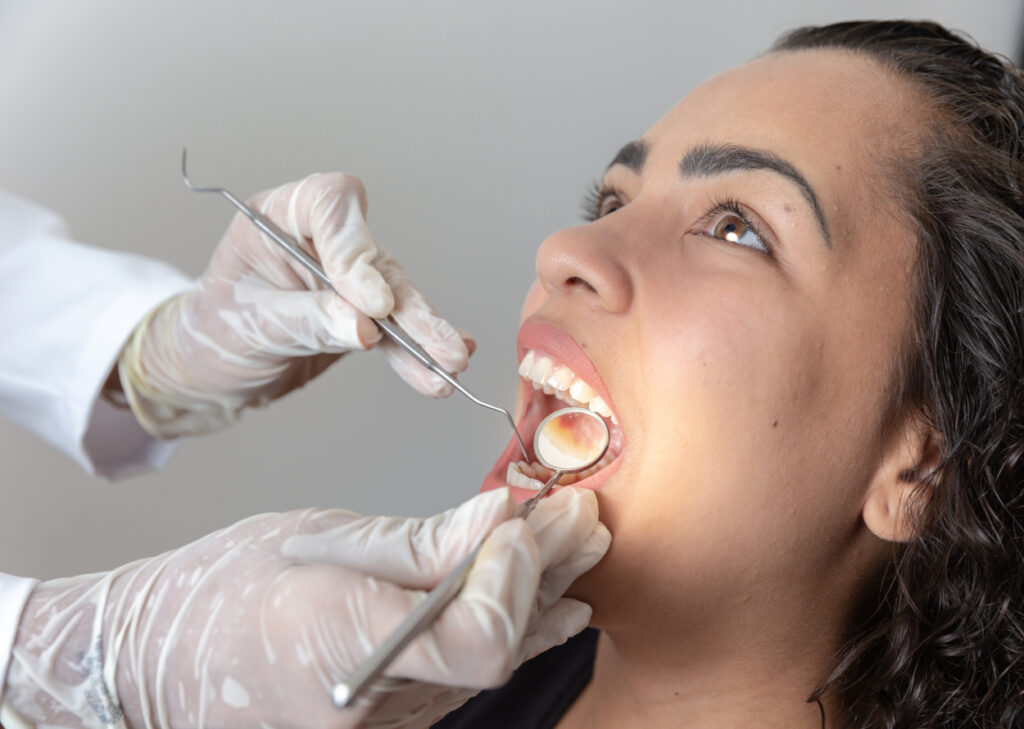
A thorough periodontal assessment should feel methodical, not rushed. The clinician will typically review symptoms, health history, medications, smoking or vaping habits, and any family history of gum disease or tooth loss. That context matters. A patient with well-controlled gums who suddenly develops widespread bleeding may need a different workup than someone with years of inconsistent maintenance.
Next comes the clinical exam. Pocket measurements are taken around each tooth to determine how far the gum has detached from the tooth surface. Bleeding points are recorded because they help show where inflammation is active. Gum recession, furcation involvement on molars, plaque accumulation, tartar deposits, and mobility are also evaluated. Radiographs help reveal bone levels and tartar below the gumline, especially in areas that look deceptively calm from the outside.
Patients are often surprised by how much information comes from that exam. A mouth can look “not too bad” in the mirror and still show several 5 to 6 millimeter pockets, bleeding on probing, and early bone loss on X rays. That is one reason DIY gum care has limits. You can improve habits at home, but you cannot diagnose the depth and pattern of periodontal disease on your own.
The treatments most often used for bleeding and sensitive gums
Not every patient with bleeding gums needs the same care. The right treatment depends on whether the inflammation is limited to the surface or whether deeper structures are involved.
For mild gingivitis, a routine prophylaxis combined with focused home care coaching may be enough. The aim is to remove plaque and tartar above the gumline, interrupt the inflammatory cycle, and correct brushing and flossing techniques that may be ineffective or too aggressive. Sometimes a softer brush, better angulation, and daily interdental cleaning make a dramatic difference within two to four weeks.
When pockets and subgingival calculus are present, scaling and root planing is often the first-line treatment. This deep cleaning targets the bacterial deposits and hardened tartar below the gumline. The root surfaces are carefully debrided so the tissue has a better chance to heal and reattach. Depending on the extent of the disease, treatment may be done by quadrant and may involve local anesthetic for comfort.
Some clinicians also use adjunctive therapies in selected cases. These might include antimicrobial rinses, locally placed antibiotics, or laser-assisted periodontal procedures, depending on the office, the findings, and the patient’s risk factors. These are not universal fixes, and they are https://johnathanqcwa073.clarionvale.com/posts/what-causes-gum-disease-and-how-periodontal-treatment-ventura-helps not substitutes for mechanical cleaning. Their value depends on the case.
If the disease is more advanced, referral to a periodontist may be appropriate. Surgical periodontal therapy can help reduce deep pockets, improve access for cleaning, and address specific structural problems. In recession cases that produce root sensitivity and esthetic concerns, gum grafting may be recommended. In areas with significant bone defects, regenerative procedures may be discussed. Those decisions require judgment. Not every deep pocket needs surgery, and not every recession defect benefits equally from grafting.
Scaling and root planing, what patients should realistically expect
People often hear the phrase “deep cleaning” and assume it is just a longer regular cleaning. It is not. Scaling and root planing is a therapeutic procedure, not a cosmetic one. The goal is to treat disease, not just remove visible buildup.
During treatment, the clinician cleans under the gums and smooths contaminated root surfaces. If the tissue is inflamed, there may be some tenderness during healing. Mild soreness, slight temperature sensitivity, and temporary awareness of spaces between the teeth are common afterward. Those spaces were often filled by swollen tissue before treatment, so patients can feel as though “gaps appeared,” when in reality the gums are simply less puffy.
Healing is not instant. Bleeding often improves within days, but tissue tightening and pocket response take longer. Re-evaluation is important because initial therapy is only the first checkpoint. If a 6 millimeter pocket reduces to 3 or 4 millimeters with no bleeding, that is a useful response. If deep bleeding pockets persist despite good home care, the plan may need to change.
One practical point patients appreciate is this: after the gums calm down, the mouth often feels cleaner in a way regular brushing had never achieved. Breath improves, tenderness fades, and that vague “something is off” sensation many people had been living with finally settles.
When gum sensitivity is not just about gum disease
Sensitive gums and teeth do not always stem from periodontitis. Sometimes the underlying issue is recession from aggressive brushing, nighttime grinding, clenching, or a bite imbalance that overloads certain teeth. Sometimes it is cervical abrasion near the gumline, erosion from acidic drinks, or exposed root surfaces after orthodontic movement. In those cases, treatment may still involve periodontal management, but the plan broadens.
I have seen patients with very clean mouths and excellent hygiene who had severe gum sensitivity because they used a hard-bristled brush with intense pressure. The tissue was not infected, but it was chronically traumatized. Others had recession tied to thin gum tissue and years of grinding. Cleaning alone would not solve that. They needed bite management, gentler home care, desensitizing products, and in some cases grafting or bonded restorations on exposed root areas.
This is why a generic answer to “my gums bleed and hurt” can miss the mark. The mouth needs to be evaluated as a system. Tissue quality, oral habits, restorations, saliva flow, bite forces, and medical health all intersect.
Signs it is time to schedule an exam soon
Some symptoms justify a prompt periodontal evaluation rather than a wait-and-see approach. The most common red flags include the following:
- bleeding during brushing or flossing that happens repeatedly over one to two weeks
- gums that look swollen, shiny, or darker red than usual
- persistent bad breath or a bad taste that keeps returning
- cold sensitivity near the gumline, especially with visible recession
- teeth that feel slightly loose or different when biting
Any one of these can have a simple explanation, but patterns matter. Repeated bleeding is especially important because patients get used to it and stop treating it as a warning sign.
Home care that supports treatment instead of working against it
Professional care is only part of the equation. Gum tissue lives with your daily habits, not just your appointments. A good home routine does not need to be complicated, but it does need to be consistent and suited to your mouth.
A soft-bristled toothbrush is usually the safest starting point. The brush should be angled toward the gumline with light pressure, not scrubbed horizontally across the teeth. Most people who think they are brushing “thoroughly” are actually brushing too hard and missing the margins that collect the most plaque. Electric brushes help many patients because they reduce the urge to scrub.
Interdental cleaning matters just as much. If floss shreds or snaps, that may point to rough restorations, tartar, or tight contact areas that need professional attention. Small interdental brushes can be more effective than floss in open spaces or around bridges and implants. Antiseptic or fluoride rinses may help in selected cases, but they do not replace physical plaque disruption.
Diet influences gum inflammation more than people realize. Frequent sugary snacks feed the bacterial biofilm, and acidic beverages can worsen root sensitivity where recession is present. Hydration, saliva support, and tobacco avoidance all make a difference. Smoking, in particular, changes both disease risk and healing response. Some smokers bleed less than expected because nicotine constricts blood vessels, which can create the false impression that the gums are healthier than they are.
What maintenance looks like after active treatment
After periodontal treatment, the next phase is maintenance. This is where long-term success is won or lost. Patients sometimes assume that once the deep cleaning is finished, they can return to routine six-month cleanings indefinitely. For many periodontal patients, that interval is too long, at least at first.
Periodontal maintenance visits are designed to monitor pocket depths, remove recurrent subgingival deposits, and catch relapse early. A three-month interval is common for patients with a history of periodontitis because the bacterial populations in periodontal pockets repopulate over time. That does not mean every patient stays on a strict three-month schedule forever, but many benefit from close follow-up, especially in the first year after treatment.
At maintenance visits, the clinician compares current findings to baseline measurements. Has bleeding decreased? Are the pockets stable? Is home care effective in the molar areas? Has recession progressed? These details matter because periodontal disease is not managed by one good day of brushing. It is managed by trend lines over months and years.
How treatment decisions are made in real practice
Periodontal treatment is rarely one-size-fits-all. Two patients may both present with bleeding gums, yet need very different plans. One might have generalized gingivitis from overdue cleaning and inconsistent flossing. Another might have localized advanced periodontitis around old crowns with deep pockets and furcation involvement. The first can often improve quickly with non-surgical care. The second may need staged treatment, restorative revision, and possibly specialist care.
Clinicians also weigh practical factors. Can the patient tolerate long appointments? Are there dexterity issues that make standard floss unrealistic? Is dry mouth medication-related? Is diabetes well controlled? Is the patient about to start orthodontic treatment, or already wearing clear aligners that need an adjusted hygiene plan? Good care considers what is ideal and what is achievable.
One patient I recall had recurring bleeding around lower front teeth despite regular cleanings. The usual assumption would have been poor flossing, but the real issue was crowding combined with tartar accumulation from nearby salivary ducts and a retainer that trapped plaque. Once the retainer was adjusted, interdental brushes were added, and the area was treated more precisely, the inflammation improved. That is the kind of case that reminds people why personalized periodontal care matters.
Questions worth asking at your appointment
Patients make better decisions when they understand what is being treated and why. A productive periodontal visit often includes a few practical questions, such as:
- do I have gingivitis or periodontitis, and how severe is it
- which areas are most affected, and what are the pocket measurements there
- is scaling and root planing recommended, or is a routine cleaning enough
- what changes should I make at home based on my specific mouth
- how often should I return for maintenance after treatment
Clear answers help patients separate temporary irritation from true periodontal disease. They also reduce the confusion that happens when someone hears the words “deep cleaning” without understanding the clinical reason behind it.
Choosing a provider for Periodontal Treatment Ventura
If you are looking for Periodontal Treatment Ventura, look beyond convenience alone. Location matters, but so do diagnosis, communication, and follow-through. Gum disease is easiest to manage when the provider explains findings clearly, documents measurements carefully, and builds a plan that includes re-evaluation rather than treating the first visit as the finish line.
A strong periodontal provider will usually do a few things well. They will explain whether the problem is reversible inflammation or established attachment loss. They will connect your symptoms to actual clinical findings instead of speaking in vague generalities. They will also give you practical home care instructions that fit your dexterity, schedule, and dental anatomy, rather than handing over a generic script.
It is also reasonable to ask whether a periodontist should be involved. General dentists manage many periodontal cases very effectively, especially mild to moderate disease. But advanced pocketing, gum grafting needs, complex bone defects, and treatment-resistant cases may benefit from specialist evaluation. Good dentistry is not about guarding turf. It is about matching the case to the right level of care.
The long view on gum health
The encouraging part of periodontal care is that gums often respond well when problems are caught early and managed consistently. Bleeding can stop. Sensitivity can improve. Pockets can shrink. Teeth that felt vulnerable can become stable again. Even when some damage has already occurred, careful treatment and maintenance can preserve function for many years.
The less encouraging part is that gum disease does not reward neglect. It tends to smolder quietly, especially in people who are not in much pain. That is why sensitive and bleeding gums deserve attention sooner rather than later. They are not just nuisance symptoms. They are often the mouth’s early warning system.
For Ventura patients dealing with these issues, the smartest move is a proper periodontal evaluation followed by treatment that matches the actual condition, not the assumption. Once the inflammation is under control, the daily routine becomes simpler, the mouth becomes more comfortable, and future dental work becomes easier to protect. That is the practical value of timely periodontal care.
Avra Dental
Address: 1708 S Victoria Ave B, Ventura, CA 93003
Phone number: (805) 941-1001
FAQ About Periodontal Treatment Ventura
Can a dentist get rid of periodontal disease?
A dentist or gum specialist (periodontist) cannot fully cure or reverse advanced periodontal disease (periodontitis), but they can successfully stop its progression and manage the infection.
Is periodontitis very serious?
Yes, periodontitis is a very serious, advanced form of gum disease that destroys the bone and tissues supporting your teeth.
How is stage 2 periodontal disease treated?
Stage 2 periodontal disease (early to moderate periodontitis) is primarily treated with non-surgical deep cleaning procedures like scaling and root planing to remove bacteria and tartar below the gumline.